

28 Oct Relationship Anxiety: Why It Happens and What Helps
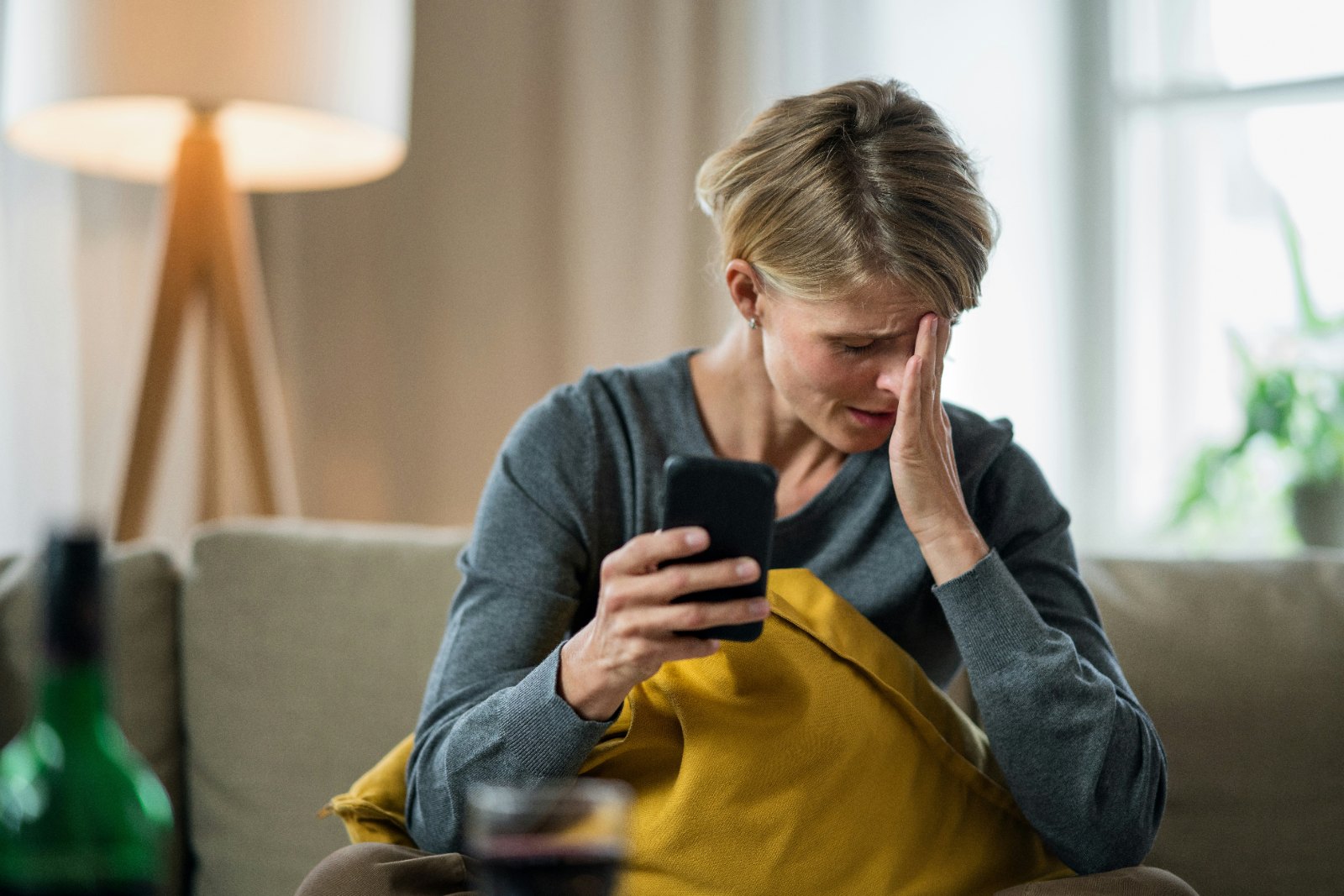
Everything is going well. He is kind, he is consistent, and you enjoyed the weekend together. And yet on Sunday evening you find yourself wondering whether he is really as interested as he seems, whether you said something wrong at dinner, and whether this will end the way your marriage did.
That feeling has a name: relationship anxiety. It is persistent worry about a relationship, often when nothing is obviously wrong. It is very common, and especially so for people dating again after a long marriage.
What relationship anxiety is
Relationship anxiety is a pattern of doubt and worry about a relationship, your partner’s feelings, or your own suitability, that goes beyond what the facts would suggest. It can appear at any stage, from the first few dates to many years in.
It is related to anxious attachment, but not the same. Anxious attachment is a long-standing style of relating. Relationship anxiety can come and go, and it can affect people who are usually quite secure, particularly after a painful ending. If the worry has been with you through most of your relationships, our note on anxious attachment style may describe it more closely.
Common signs
Doubting their feelings. Reading every quiet day as a sign of cooling interest.
Doubting your own. Wondering whether you really like them, or whether you are settling.
Looking for proof. Rereading messages, checking when they were last online, testing their reactions.
Expecting the ending. Bracing for a breakup that there is no evidence of.
Difficulty enjoying good moments. A lovely evening followed by a wave of worry.
Why it often appears later in life
The last relationship ended painfully. Divorce or betrayal teaches the mind to look for warning signs, and it can keep looking long after the danger has passed.
There is more at stake. Introducing someone to adult children, merging lives, or simply opening up again after years can feel like a large risk.
Self-doubt. After a long marriage ends, many people wonder whether they are still desirable. Research by Sandra Murray and colleagues, summarised in a later Stanford-hosted study, found that people with lower self-esteem underestimate how much they are actually loved by their partners, even though they are loved just as much. The worry is often about how we see ourselves, not about how we are seen.
What helps
Separate facts from stories. “He has not replied for four hours” is a fact. “He is losing interest” is a story. Write both down and notice the gap.
Look at the pattern, not the moment. Is this person reliable over weeks? That matters more than one slow evening.
Say it, once, without blame. “I sometimes get anxious when things go quiet. It is not about anything you did.” A secure partner will usually respond kindly, and the worry often shrinks once it is spoken.
Ask for what helps, specifically. A short message when plans change, or a regular call, can settle a great deal. Our note on reassurance in a relationship covers how much is healthy to ask for.
Keep your own life full. Friends, routines and interests give your attention somewhere else to rest.
Get support if it is constant. If the anxiety is affecting your sleep, work or wider life, speaking with a therapist is a sensible step.
When the anxiety is telling you something
Sometimes the unease is accurate. If your partner is genuinely inconsistent, secretive or dismissive, the problem is not your anxiety. A useful test: would a calm, sensible friend who saw everything also be concerned? If so, take the worry seriously and talk about it directly.
Frequently asked questions
Is relationship anxiety normal?
Yes. Some worry is common in new relationships, particularly after a painful ending. It becomes a problem when it is constant or begins to damage the relationship.
Does relationship anxiety mean I am with the wrong person?
Not necessarily. Anxiety often appears in good relationships precisely because there is something to lose. Look at the evidence of how your partner actually treats you.
How do I stop relationship anxiety?
Most people manage it rather than stop it entirely: separating facts from fears, speaking about it calmly, asking for specific reassurance, and keeping a full life outside the relationship.
Should I tell my partner I have relationship anxiety?
Usually, yes, briefly and without making it their job to fix. Sharing it tends to reduce its power.
Can relationship anxiety go away?
It often eases as trust builds over time with a consistent partner. Many people find it fades once the relationship has weathered a few ordinary ups and downs.
Fewer unknowns from the start
Much of the anxiety in early dating comes from not knowing what the other person wants. Matchmaking removes some of that, because everyone you meet has already said they are looking for a committed relationship. If that would make dating feel calmer, you can apply for an introduction.
No Comments